Development and scaling: where is the CHD heading?
12.02.2026
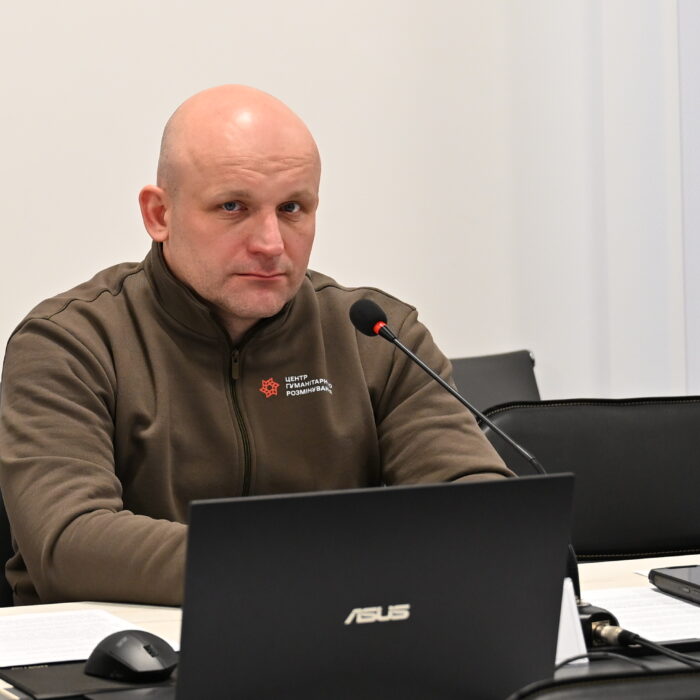
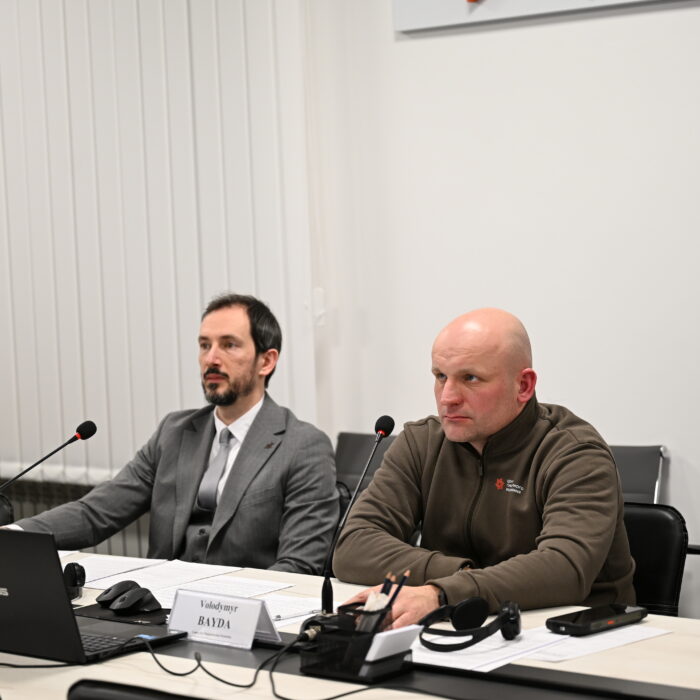
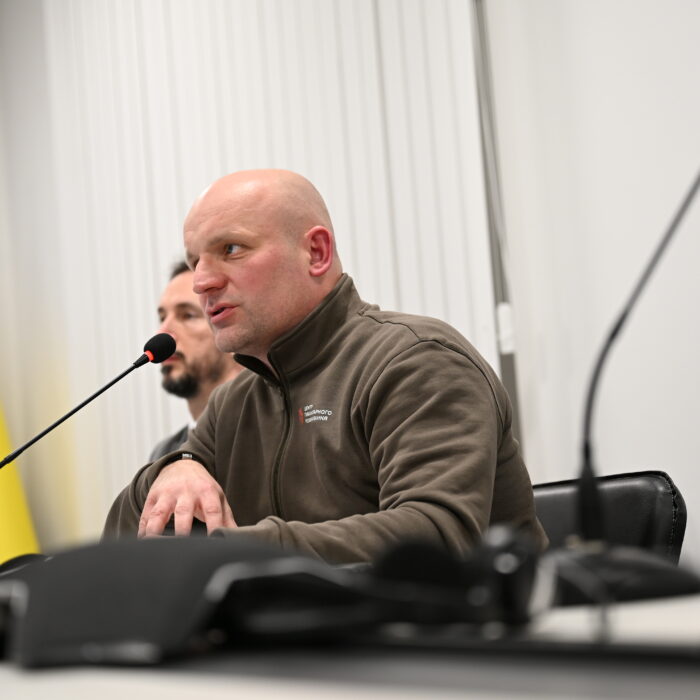
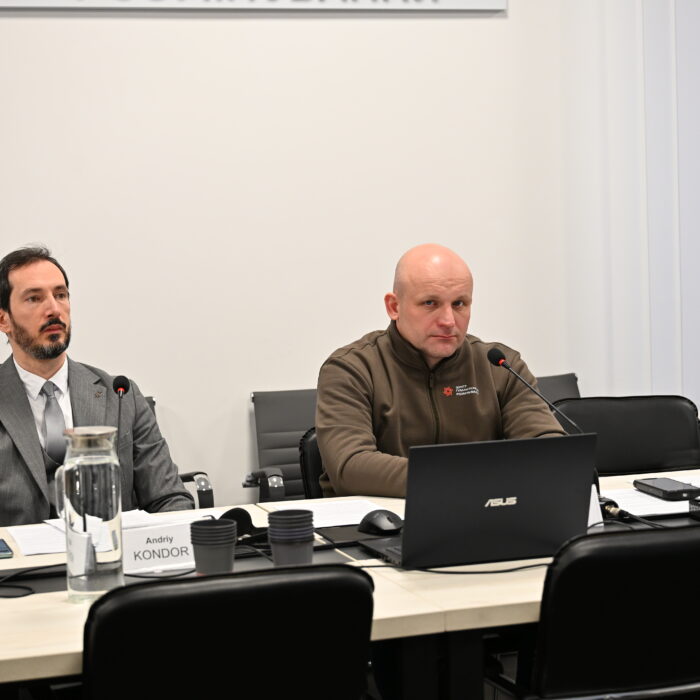
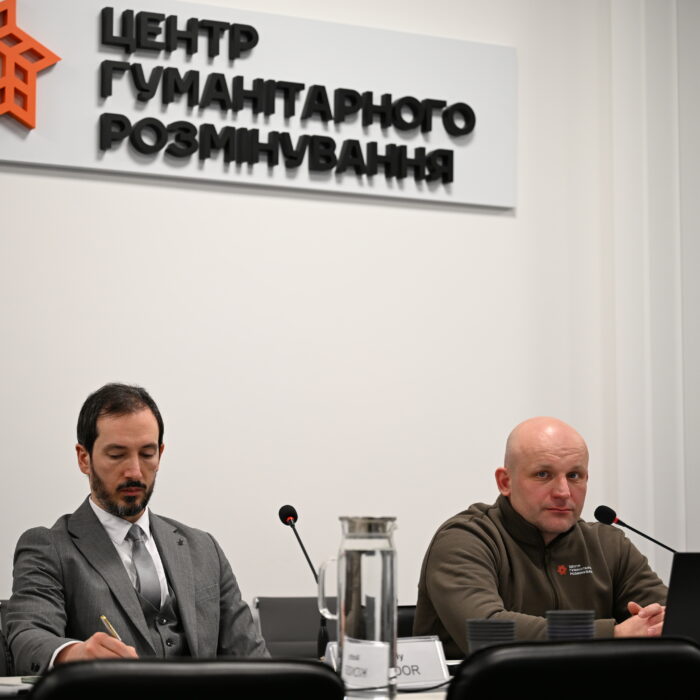
On February 6, a meeting of the Advisory Board of the Center for Humanitarian Demining (CHD) took place. It was not just a formal meeting to review reports and plans, but a constructive discussion on how to turn land clearance into an effective driver of recovery. The meeting participants discussed systemic challenges in particular: from the introduction of artificial intelligence to mechanisms for developing a transparent market.
Over the past year, the CHD has clearly demonstrated its effectiveness. The main conclusion is that a new type of state institution has taken shape. The CHD has proven that it can be not just a bureaucratic structure, but also an effective working tool for the restoration of agricultural production on deoccupied lands.
Key performance indicators (data from the start of the compensation program as of January 2026):
- Thanks to auctions in the Prozorro system, the cost of demining fell by an average of almost 17%.
- More than 13,600 hectares of land have already been completely cleared and returned to farmers for use. These thousands of hectares are already contributing to the national and local budgets.
- The compensation program has become more accessible — now not only large companies but also small individual farmers can receive support..
Ukraine faces a scale of contamination with unexploded ordnance that is unprecedented in modern history. Traditional methods are ineffective here, so the CHD is betting on digital transformation:
- Together with the State Emergency Service of Ukraine, we are working on a Unified State Register of suspected / confirmed hazardous areas (SHA/CHA), which will be the “single source of truth” for the state and international partners.
- The GRIT platform analyzes data sets to suggest where demining will bring the most benefit to communities and the economy today. This prioritization is based on facts and figures, not assumptions.
In 2026, the Center will shift from administering procedures to assuming a sector-wide coordination function.
Priorities for 2026:
- Quality assurance: The Center will implement a comprehensive system for monitoring work at all stages.
- Certification and control: The CHD plans to cover the entire cycle — from the certification of MA operators to the issuance of permits to start work and the final verification of clearance results.
- Support for Ukrainian manufacturers of demining equipment and MA operators to accelerate land clearance.
- Transparency for donors: The new “Donor Module” will allow international partners to see the entire chain of use of their aid — from the need to the report on the cleared hectare.
Special attention was paid to the institutional architecture of the sector. Members of the Advisory Board emphasized that duplication of functions between different bodies slows down processes, so they are ready to support systemic solutions for the qualitative development of the sector. In order for the Center to expand its powers, the members of the Advisory Board confirmed their readiness to strengthen its team with expert and technical support. The partners understand that large-scale changes require not only time, but also a stable structure, clear procedures, and a strong team.
The discussion also covered the topic of criminal proceedings in the field of mine action. The CHD's position here is unwavering:
- The fact that land has been cultivated is not proof of its safety. Only official confirmation of work performed in accordance with DSTU 8820 gives the right to call the land safe. Operating ‘at one’s own risk’ only increases the danger and may further destabilize explosive hazards in the soil.
- Audits by the Accounting Chamber and the State Audit Service for 2024-2025 did not reveal any systemic violations in the Center's work.
2026 should be a period of scaling and strengthening of the institutional capacity of the Central Bank. Advisory Board confirmed its readiness to support the Center on the way to creating a single security ecosystem, where state planning and innovation work towards the common goal of returning Ukrainian lands to productive use as efficiently as possible.